
IGBC Green Building Congress 2025 Sets the Stage for India’s Net Zero Future
With over 1,000 eco-solutions and global participation, the 23rd edition of Asia’s largest green building event highlights innovation, policy, and sustainable urban transformation

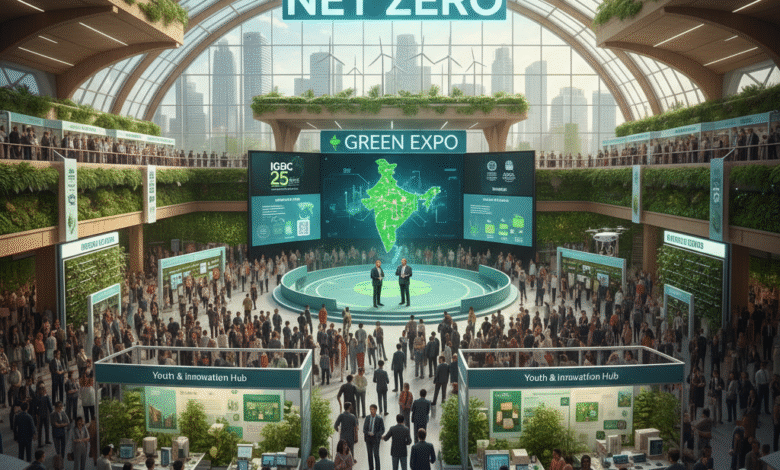
The Indian Green Building Council (IGBC), a part of the Confederation of Indian Industry (CII), has announced the 23rd edition of its flagship event—the Green Building Congress 2025. Recognized as Asia’s largest platform for sustainable built environments, this year’s congress marks a significant milestone in India’s journey toward net zero emissions and responsible urban development.
Themed “Green Shifts for Greener Tomorrows: Do Good, Feel Good – Embrace Green Choices for a Sustainable Future,” the congress coincides with IGBC’s 25th anniversary. It reflects the council’s enduring commitment to advancing eco-conscious architecture, energy-efficient infrastructure, and inclusive growth across India’s construction and real estate sectors.
National Chairman of IGBC, Mr. B. Thiagarajan, and National Vice Chairman Mr. C Shekar Reddy are leading the initiative, bringing together policymakers, architects, engineers, developers, and sustainability experts from across the globe. The event is expected to showcase over 1,000 eco-friendly technologies, products, and solutions—ranging from green materials and smart building systems to renewable energy integrations and water conservation innovations.
The congress features an international conference and a Green Expo, offering attendees insights into the latest trends in green building certification, carbon-neutral design, circular construction practices, and climate-resilient urban planning. Sessions will cover key topics such as:
- Net Zero Buildings and Cities
- Green Affordable Housing Models
- Decarbonizing the Construction Supply Chain
- Smart Cities and Digital Sustainability
- Green Financing and ESG Compliance
India’s green building footprint has grown exponentially over the past two decades, with IGBC playing a pivotal role in certifying over 10 billion square feet of green built-up area. The council’s rating systems—tailored for homes, factories, schools, hospitals, and data centers—have become benchmarks for sustainable design across the country.
This year’s congress also emphasizes climate action and youth engagement, with dedicated tracks for students, startups, and innovators. IGBC’s Green Schools and Green Campus movements are gaining traction, fostering environmental stewardship among future generations.
Global participation is a key highlight, with delegates from over 30 countries expected to attend. The event fosters cross-border collaboration in areas such as green building codes, low-carbon technologies, and sustainable procurement. It also provides a platform for Indian companies to showcase indigenous innovations that align with international standards.
Speaking ahead of the congress, Mr. B. Thiagarajan stated, “India’s green building movement is no longer niche—it’s mainstream. With the right policy support, technology, and community engagement, we can accelerate our transition to net zero and create healthier, more resilient spaces for all.”
Mr. C Shekar Reddy added, “The Green Building Congress is a convergence of vision and action. It’s where ideas become blueprints and blueprints become impact. We’re proud to host this edition in Mumbai, a city that embodies both heritage and modernity.”
The event also aligns with India’s national commitments under the Paris Agreement and the UN Sustainable Development Goals (SDGs). By promoting energy efficiency, water conservation, waste reduction, and biodiversity preservation, IGBC continues to support India’s climate goals while driving economic growth.
As urban India expands, the need for sustainable infrastructure has never been more urgent. The Green Building Congress 2025 serves as a catalyst for change—bringing together the best minds, technologies, and practices to build a future that is not only smart but also sustainable.